NME Magazine
New Musical Express commonly
known as NME is a British music journalism magazine, first published in March
1952 with its association of Rock, Alternative and Indie music. The weekly
magazine is acknowledged as being one of the earliest and biggest music magazines
within the industry, known globally as the NME; this is reinforced as masthead
is also the house style of the company, illustrating the importance of the
magazine. The weekly magazine based in Southwark, London has a circulation of
15,000 in both print and digital editions. The paid circulations varies between
15,000 - 250,000 at its peak and the unpaid circulation out totals both of them
with, 300,000 copies sold since they made the weekly issues free.
The magazine itself covers a
variation of different article styles, featuring artists and musicians from
complete different aspects of the spectrum chart. Although they are frequently
known for their choice of rough contemporary artists within the rock genre, in
recent years they have been exploring new cultures within the music industry
allowing them to expand the brand through the use of dominant publishing. The
content has changed through the years, as the magazine has expanded as the
demand for present day and current affairs has increased. New Music Magazine
offer an assortment of interviews, them being with the cover stars, general
interviews with upcoming bands, mainstream articles are also featured in the
weekly spread - normally with biggest worldwide scandal the title article.
Comedy aspects and have also started appearing in the magazine in the last
decade or so, this reinforces the attitudes that the magazine have tried to
shape themselves into changing with the times; Instead of the magazine just
focusing on music and film reviews like it used to.
The history of NME is something
in which the company are proud of and use this for inspiration when coming up
with new editions. It was originally a music newspaper and was recognized as
being the best in the industry in the 1970's, this was when the paper was
particularly known for its diverse association of punk and rock with the form
of gonzo journalism (self-involved reporting - is a first person narrative
approach to reporting, allowing personal experiences and emotions to contrast
with the traditional style of journalism). The paper then gradually moved
towards a magazine format between the 90's and 80's finally changing from
newsprint in 1998. Since then the magazine has experienced changes between the
contrasts of the content within the issues, this was mentioned in the previous
paragraph.
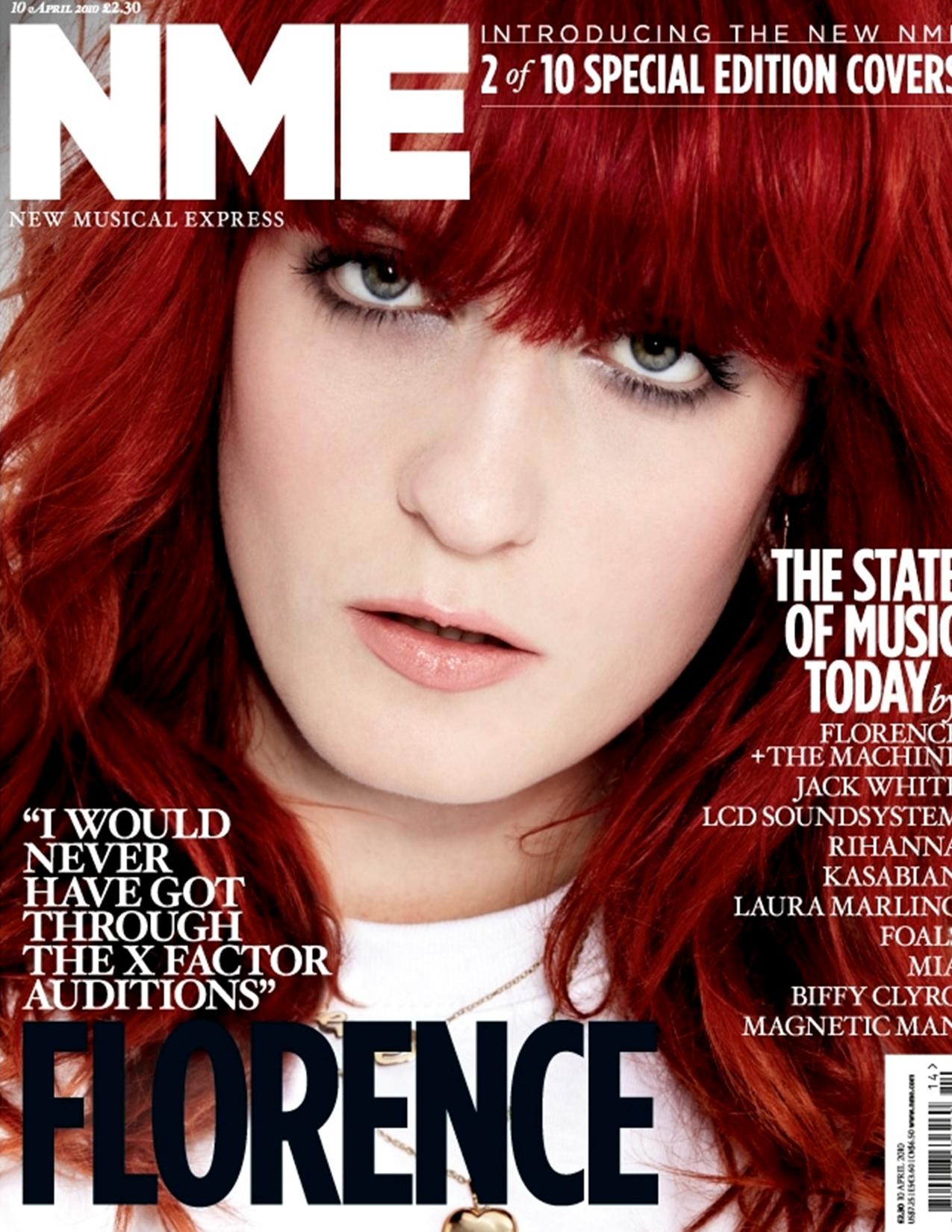
 I would say the style of the
magazine has maintained the similar house style and feel to the paper over
recent decades, as the masthead has always been of similar characteristic
allowing readers to differentiate the magazine from others, whilst the cover
images have also always been quite intimidating and bold images, either of
artists or graphic design work - this is something in which has changed over
time as the cover images of recent have become less aggressive and are more
subtle. The target market of the magazine has revolutionized over the years
majorly too, as the more current and stylized the issues have become the
broader the genres mentioned have become. As when the magazine was first
written back in the fifties the target audience was a male dominated spectrum,
aged around 18+ to men in their late 30's. However in this day and age the
companies target audience has become an even split for sex's - the current
target audience is people aged 16+ aging up to their late twenties early
thirties, this is clear as they have expanded their genres within the music
industry as a whole. The multimedia aspects of NME are featured on their
website: http://www.nme.com/ - with this online website link they are able to
reach a broader audience within the industry instead of just publishing a
weekly magazine. The website features ten links on its navigation bar allowing
readers to subdivide into chosen interests, them being: news, reviews, new
music, film, blogs, video, photos, tickets, lists and more. These are all
sub-categories in which the print and online edition of the magazine include,
however it is also a media publishing audience for the company to publicize
their prints online.
I would say the style of the
magazine has maintained the similar house style and feel to the paper over
recent decades, as the masthead has always been of similar characteristic
allowing readers to differentiate the magazine from others, whilst the cover
images have also always been quite intimidating and bold images, either of
artists or graphic design work - this is something in which has changed over
time as the cover images of recent have become less aggressive and are more
subtle. The target market of the magazine has revolutionized over the years
majorly too, as the more current and stylized the issues have become the
broader the genres mentioned have become. As when the magazine was first
written back in the fifties the target audience was a male dominated spectrum,
aged around 18+ to men in their late 30's. However in this day and age the
companies target audience has become an even split for sex's - the current
target audience is people aged 16+ aging up to their late twenties early
thirties, this is clear as they have expanded their genres within the music
industry as a whole. The multimedia aspects of NME are featured on their
website: http://www.nme.com/ - with this online website link they are able to
reach a broader audience within the industry instead of just publishing a
weekly magazine. The website features ten links on its navigation bar allowing
readers to subdivide into chosen interests, them being: news, reviews, new
music, film, blogs, video, photos, tickets, lists and more. These are all
sub-categories in which the print and online edition of the magazine include,
however it is also a media publishing audience for the company to publicize
their prints online.
No comments:
Post a Comment